Biohacking
Biohacking blends self‑experimentation, wearable tech, cold exposure, fasting, and other lifestyle tweaks to boost performance, energy, and longevity. For men 30–55, mastering these tools can help optimize hormone balance, mental clarity, and overall health without a prescription.
Key takeaways
- ✓The best-evidenced 'biohacks' are unglamorous: sleep, resistance training, aerobic fitness, and protein intake.
- ✓Self-experimentation is more useful when you isolate one variable and track it objectively.
- ✓Novelty and price are not evidence — check for actual human trials before adopting an expensive protocol.
- ✓Combining multiple interventions at once makes it hard to know what's actually working.
- ✓Extreme protocols (prolonged fasting, extreme cold or heat) carry real risks and warrant medical input if you have an underlying condition.
Where to start with biohacking
- 1Get the fundamentals right first — sleep, exercise, and nutrition outperform nearly every biohacking intervention in the evidence base.
- 2Pick one variable at a time to test (e.g. cold exposure, a supplement) so you can actually tell if it's working.
- 3Use objective tracking (wearables, blood work) rather than subjective feel alone to evaluate whether an intervention is doing anything.
- 4Be skeptical of expensive interventions with thin evidence — cost and marketing intensity are not proxies for effectiveness.
- 5Talk to a doctor before combining supplements, fasting protocols, or extreme temperature exposure with any existing health condition or medication.
Evidence overview
How claims about biohacking across all reviewed videos stack up against the evidence.
- Claims assessed
- 61
- Strongly supported
- 3
- Mixed evidence
- 13
- Weak evidence
- 6
- Unsupported
- 0
Advertisement
Top claims in this topic
- “Testosterone optimization can improve energy, mood, and muscle mass in men with low T.”Claim extracted — not yet reviewedSee evidence →
- “Estrogen plays a critical role in male hormonal balance and bone health.”Claim extracted — not yet reviewedSee evidence →
- “Lifestyle factors such as sleep, exercise, and stress management can influence hormonal health.”Claim extracted — not yet reviewedSee evidence →
Common myths about biohacking
Myth: “More expensive or exotic protocols are automatically more effective.”
Reality: The best-evidenced interventions (sleep, resistance training, aerobic fitness, protein intake) are largely free; many premium biohacks have thin or no human evidence.
Myth: “If a wearable measures it, the metric is clinically meaningful.”
Reality: Consumer wearables vary widely in accuracy, and many derived scores (e.g. proprietary 'readiness' scores) aren't independently validated.
Featured this week
Get the weekly Biohacking digest
5 trending videos summarised · 3 claims checked · 1 practical takeaway — every week. No miracle-cure nonsense.
All videos

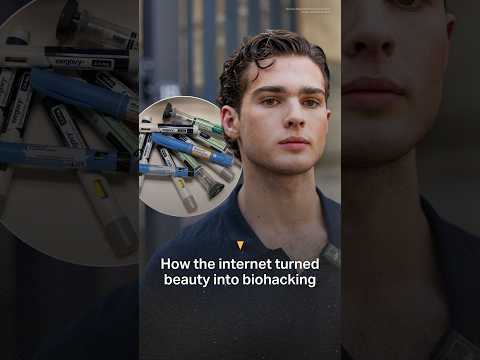
how to 2x your testosterone so efficiently they lowkey think you're on TRT
The video claims the creator nearly doubled his testosterone levels naturally in three months through lifestyle optimization including nutrition, sleep, environment, and recovery.
Naturally Enhanced


High Dosing TEST, TRT Biohacking Q&A, And SUPER Libido Optimization
A 72-minute video from Cortex Labs discussing testosterone replacement therapy (TRT), high-dosing protocols, and libido optimization, while promoting paid coaching services and digital products with discount offers.
Cortex Labs - TRT Optimization


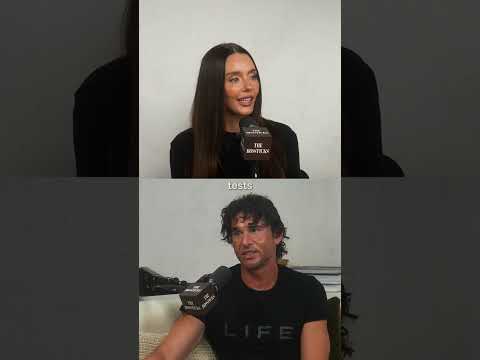
Essentials: How to Optimize Your Hormones for Health & Vitality | Dr. Kyle Gillett
A discussion between Dr. Andrew Huberman and Dr. Kyle Gillett on hormone optimization, covering topics like testosterone, estrogen, and lifestyle factors that may influence hormonal health.
Andrew Huberman

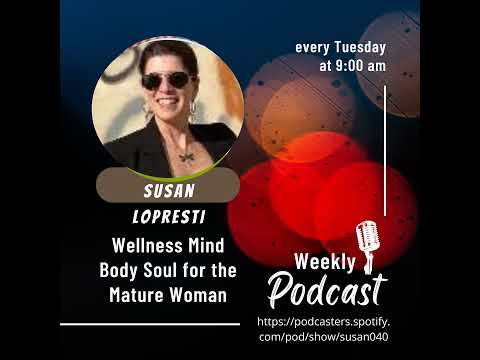
How To Optimize Female Hormones: A Biohacking Blueprint
The video proposes a biohacking approach to “optimizing” female hormone balance, claiming it can improve a wide range of health outcomes.
Supernova Shift Podcast




Related topics
Frequently Asked Questions
›Can cold showers or ice baths really increase testosterone levels?
Short‑term cold exposure may stimulate acute hormonal spikes, but research shows no consistent long‑term rise in testosterone; benefits are more related to recovery and mood.
›What wearable metrics are most useful for tracking biohacking progress?
Heart rate variability (HRV), resting heart rate, sleep stages, and activity levels provide evidence‑based insight into stress, recovery, and fitness adaptations.
›Is intermittent fasting safe for men over 30 who want to improve performance?
Intermittent fasting can aid body composition and insulin sensitivity when caloric intake remains adequate; however, individual tolerance varies, and it should be approached gradually.
›How does a morning routine like Andrew Huberman’s affect brain health?
Morning light exposure, hydration, and movement support circadian rhythm, cortisol regulation, and neuroplasticity, which are linked to improved focus and mood in scientific studies.
Advertisement
Follow Biohacking
Only biohacking news: an email when new claims on this topic are evidence-checked.
Free newsletter
Get the weekly digest
5 videos summarised · 3 claims checked · 1 practical takeaway
Unsubscribe any time. No spam.
Educational content only. This page summarizes publicly available video content for informational purposes. It is not medical advice. Always speak with a licensed healthcare professional before making any medical decisions.