Longevity
Longevity is the science of extending both lifespan and healthspan through evidence‑based exercise, nutrition, and lifestyle choices. Understanding how to age healthier matters for men who want to stay strong, energetic, and disease‑free well into their later years.
Key takeaways
- ✓VO2 max is trainable at any age — even moderate gains dramatically reduce mortality risk.
- ✓Muscle mass in your 40s predicts your functional independence in your 70s.
- ✓Zone 2 aerobic training 3–4 hours/week is the best-evidenced longevity investment.
- ✓Sleep is free, safe, and one of the most powerful longevity tools available.
- ✓Metabolic health (insulin sensitivity, lipids, blood pressure) is the primary target.
Where to start with longevity habits
- 1Measure your VO2 max and grip strength — two of the strongest predictors of all-cause mortality.
- 2Build Zone 2 aerobic fitness (3–4hrs/week of low-intensity cardio).
- 3Add 2–3 resistance training sessions to maintain muscle mass through middle age.
- 4Optimise sleep — it is the most powerful recovery and longevity lever available.
- 5Regular preventive blood work: fasting glucose, lipids, hsCRP, and HbA1c.
Evidence overview
How claims about longevity across all reviewed videos stack up against the evidence.
- Claims assessed
- 47
- Strongly supported
- 12
- Mixed evidence
- 21
- Weak evidence
- 3
- Unsupported
- 0
Advertisement
Top claims in this topic
- “A fasting insulin level below 5 μIU/mL is an optimal marker for metabolic health and long-term disease prevention.”Claim extracted — not yet reviewedSee evidence →
- “ApoB (Apolipoprotein B) levels should be kept below 30 mg/dL to effectively arrest the progression of atherosclerotic cardiovascular disease.”Claim extracted — not yet reviewedSee evidence →
- “Aging is a treatable condition rather than an inevitable biological decline.”Claim extracted — not yet reviewedSee evidence →
Common myths about longevity
Myth: “Expensive supplements like NMN or resveratrol are proven longevity enhancers.”
Reality: Most longevity supplements lack robust human evidence. Exercise, sleep, and nutrition have far stronger evidence than any supplement.
Myth: “Genetics determine most of your healthspan.”
Reality: Lifestyle factors account for 70–80% of healthspan variance. Genetics matter but are not destiny.
Featured this week


How to Exercise to Live Longer | Lifespan with Dr. David Sinclair - S2, Ep. 5
The episode discusses Dr. David Sinclair's perspective on exercise strategies that may support longer, healthier lives, highlighting mechanisms of cellular aging and practical workout recommendations.
David Sinclair

Get the weekly Longevity digest
5 trending videos summarised · 3 claims checked · 1 practical takeaway — every week. No miracle-cure nonsense.
All videos

If You Want to Live to Age 100, You NEED to See This
The clip features Dr. Rhonda Patrick and Dr. Derya Unutmaz discussing current progress toward “longevity escape velocity” and potential interventions that could extend human lifespan toward 100 years or more.
FoundMyFitness Clips


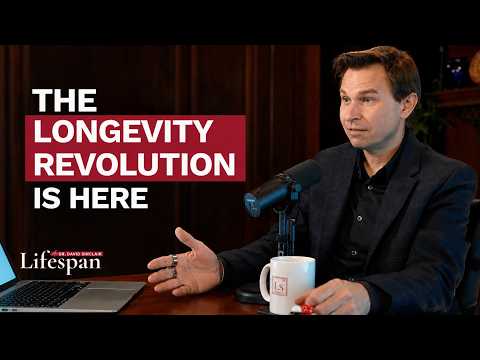
The Longevity Revolution Is Here | Lifespan with Dr. David Sinclair - S2, Ep. 1
Dr. David Sinclair discusses his framework for understanding aging as a treatable condition, focusing on the epigenetic landscape of cellular health. He explores how lifestyle interventions and emerging research might influence biological markers of longevity.
David Sinclair


The 6 Best Longevity Signals Doctors Trust (And Most People Ignore)
This video argues that true longevity is driven by clinical health markers and lifestyle behaviors rather than over-the-counter supplements or consumer wellness technology. It identifies six key physiological signals that the creator contends are critical for long-term health span.
Doctor Alex


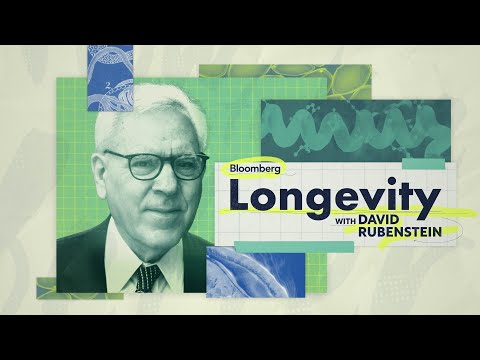

Longevity Doctor: I’m 79 With the Health of a 40 Year Old, Here’s How I Did It!
Dr. Jeff Bland, a 79-year-old, claims to have achieved the health of a 40-year-old through certain methods, which are discussed in the video. The video is presented by Mark Hyman, MD, and explores Dr. Bland's approach to longevity.
Mark Hyman, MD
Related topics
Frequently Asked Questions
›What lifestyle changes have the strongest evidence for increasing lifespan in men?
Regular aerobic exercise, a balanced diet rich in whole foods, adequate sleep, and maintaining a healthy weight are consistently linked to longer, healthier lives in large cohort studies.
›Can supplements like NAD+ boosters or rapamycin actually slow aging?
Research on NAD+ precursors and rapamycin shows promise in animal models, but human trials are limited; they are not yet proven to reliably reverse aging and should be approached with caution.
›How much does genetics versus behavior affect longevity?
Genetics accounts for roughly 20‑30% of lifespan variation, while lifestyle factors such as diet, activity, and smoking contribute the majority, according to twin and population studies.
›What are the most reliable biomarkers to track my aging progress?
Key metrics include VO2 max, resting heart rate, blood pressure, waist‑to‑hip ratio, and blood markers like fasting glucose and LDL cholesterol, all strongly associated with longevity outcomes.
›Is the “longevity escape velocity” concept realistic for the next decade?
The idea that medical advances will outpace aging is speculative; while therapies are accelerating, current evidence suggests modest gains rather than dramatic lifespan extensions in the near term.
Advertisement
Follow Longevity
Only longevity news: an email when new claims on this topic are evidence-checked.
Free newsletter
Get the weekly digest
5 videos summarised · 3 claims checked · 1 practical takeaway
Unsubscribe any time. No spam.
Educational content only. This page summarizes publicly available video content for informational purposes. It is not medical advice. Always speak with a licensed healthcare professional before making any medical decisions.