Erectile Dysfunction
Erectile dysfunction (ED) is the consistent difficulty achieving or maintaining an erection, affecting many men aged 30‑55 and often signaling underlying vascular or lifestyle issues. Understanding its causes and treatment options can improve sexual health and overall cardiovascular wellbeing.
Key takeaways
- ✓ED can be an early signal of cardiovascular disease — persistent ED warrants a medical check-up, not just a prescription request.
- ✓Prescription PDE5 inhibitors are effective and should only be sourced through a licensed doctor or pharmacy.
- ✓Both physical and psychological factors contribute, often together.
- ✓Unregulated 'natural' ED supplements carry both efficacy and safety concerns.
- ✓This is a medical topic best addressed with a doctor rather than self-treatment.
Where to start with erectile dysfunction
- 1Understand it's common and usually has an identifiable cause — ED affects a large share of men at some point and often signals an underlying issue worth investigating.
- 2Cardiovascular health is closely linked to erectile function — ED can be an early warning sign of broader vascular disease, sometimes preceding a heart problem by years.
- 3Review contributing factors with a doctor: smoking, poor sleep, obesity, diabetes, high blood pressure, certain medications, and psychological factors all play a role.
- 4PDE5 inhibitors (sildenafil, tadalafil, and similar) are effective, prescription-only treatments — never source these outside a licensed pharmacy.
- 5Don't ignore persistent ED as 'just stress' long-term — it deserves a proper medical work-up given its link to cardiovascular risk.
Evidence overview
How claims about erectile dysfunction across all reviewed videos stack up against the evidence.
- Claims assessed
- 26
- Strongly supported
- 0
- Mixed evidence
- 0
- Weak evidence
- 1
- Unsupported
- 0
Advertisement
Top claims in this topic
- “Erectile dysfunction can be treated with medication”Claim extracted — not yet reviewedSee evidence →
- “Over 30 million men in the U.S. struggle with erectile dysfunction.”Claim extracted — not yet reviewedSee evidence →
- “Erectile dysfunction can be caused by hormonal imbalance”Claim extracted — not yet reviewedSee evidence →
Common myths about erectile dysfunction
Myth: “ED is just a normal, meaningless part of getting older.”
Reality: While prevalence rises with age, ED is frequently linked to treatable underlying causes (vascular, hormonal, psychological) and shouldn't be dismissed without evaluation.
Myth: “Only older men get ED.”
Reality: ED occurs in younger men too, often linked to psychological factors, performance anxiety, smoking, or cardiovascular risk factors rather than age alone.
Featured this week

REVERSE Erectile Dysfunction Naturally!
This video by Dr. Eric Berg discusses the potential link between erectile dysfunction and early-stage heart disease. It suggests addressing the condition naturally through lifestyle adjustments.
Dr. Eric Berg DC

Tips to Reverse Erectile Dysfunction
Dr. Rena Malik discusses lifestyle modifications that may help reverse erectile dysfunction without relying on medication. The video emphasizes the impact of everyday habits on vascular and sexual health.
Rena Malik, M.D.

Men's Health Month: Erectile Dysfunction and Performance Anxiety
In recognition of Men's Health Month, Dr. Eileen Palace discusses the medical and psychological factors contributing to erectile dysfunction, including the significant impact of performance anxiety. The segment explores potential causes and the importance of addressing both physical and mental components of sexual health.
WWLTV
Get the weekly Erectile Dysfunction digest
5 trending videos summarised · 3 claims checked · 1 practical takeaway — every week. No miracle-cure nonsense.
All videos

Mayo Clinic Explains Erectile Dysfunction
The Mayo Clinic's video on erectile dysfunction aims to educate viewers about the condition, its causes, and available treatments. The video features Mayo Clinic experts discussing the topic in a straightforward and informative manner.
Mayo Clinic

Erectile Dysfunction: Can It Be Cured? | Dr. Anshuman Agarwal
The video discusses erectile dysfunction (ED) and its potential causes in young men, exploring both psychological and physical factors. Dr. Anshuman Agarwal shares insights on the condition.
Apollo 24x7

What treatment options are available for erectile dysfunction?
Dr. Kelli Gross from the University of Utah Department of Surgery outlines the primary medical and surgical treatment options available for erectile dysfunction. The video provides a clinical overview of interventions ranging from conservative therapies to advanced procedures.
University of Utah Department of Surgery
Medicines that can Cause ERECTILE DYSFUNCTION (ED)
This video by Dr. Ken Berry reviews common prescription medications associated with erectile dysfunction as a potential side effect. It aims to raise awareness about pharmaceutical contributors to sexual health issues.
KenDBerryMD
Erectile Dysfunction Treatment Options
This brief video from McLaren Northern Michigan outlines the clinical connection between erectile dysfunction and underlying chronic health conditions like hypertension, diabetes, and dyslipidemia. It highlights statistical risk factors, such as the increased prevalence of erectile dysfunction in men with diabetes.
McLaren Northern Michigan

Male Anatomy 101– Erections & Erectile Dysfunction (ED) Myths Busted - Causes, Symptoms, Treatments
This video from the Austin Urology Institute addresses common misconceptions surrounding male reproductive anatomy, erections, and erectile dysfunction (ED). It breaks down the underlying physiological causes, symptoms, and potential treatment approaches.
Austin Urology Institute

7 Causes of Erectile Dysfunction You can Fix (ED 2026)
This video by Dr. Ken Berry outlines seven potential lifestyle-related factors contributing to erectile dysfunction and suggests they can be reversed through behavioral modifications.
KenDBerryMD

Help for Erectile Dysfunction
This brief informational video from University of Iowa Health Care highlights that erectile dysfunction is treatable and that most men experience improved sexual function with proper care.
University of Iowa Health Care
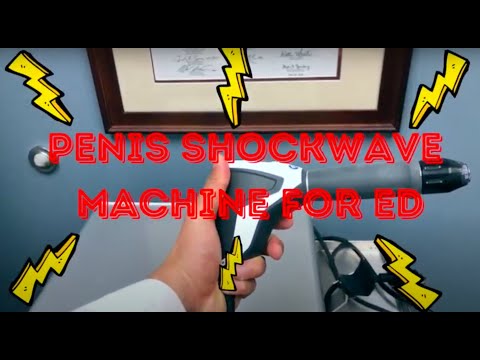
Shockwave Therapy for ED | Explained by Urologist Dr. Robert Chan
Urologist Dr. Robert Chan explains the basics of shockwave therapy as a potential treatment option for erectile dysfunction. The short video outlines how the procedure is generally approached in a clinical setting.
Dr. Robert Chan

Urologist explains Erectile Dysfunction | causes & treatments | for patients and partners
A 7-minute video by Doctor Eric, a urologist, explaining the causes and treatments of erectile dysfunction. The video aims to educate patients and their partners about the condition.
Doctor Eric
How Do Acoustic Shockwaves Treat Erectile Dysfunction (ED)?
This video from Greater Boston Urology explores the use of acoustic shockwave therapy as a potential treatment option for erectile dysfunction. It provides an overview of how the procedure aims to address underlying vascular issues contributing to the condition.
Greater Boston Urology
Erectile Dysfunction and Age
A urologist discusses the relationship between erectile dysfunction and age, highlighting its increased occurrence in older men. The video aims to inform viewers about this common health issue.
AllHealthGo
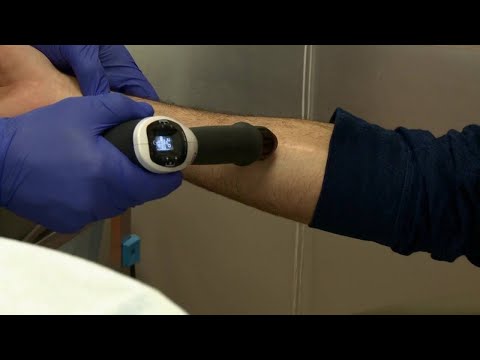
Video: Shock wave therapy treatment used for erectile dysfunction
A 2-minute video from KSAT 12 discusses the use of shock wave therapy as a treatment for erectile dysfunction. The video explores this emerging treatment option, but details are limited to its brief duration.
KSAT 12

New treatment now available for those with erectile dysfunction
The video announces a newly available treatment for erectile dysfunction, noting its relevance to about half of men at some point in life.
WPLG Local 10

Explosive Solution to Erectile Dysfunction?
This segment from The Doctors examines claims regarding whether an ingredient found in dynamite could offer an explosive solution for erectile dysfunction. Urologist Dr. Alex Pastuszak evaluates the validity and safety of this unconventional premise.
The Doctors
GAINSWave for Men – Erectile Dysfunction Treatment
This promotional video from Renew MediSpa discusses GAINSWave and the P-Shot as treatments for erectile dysfunction. Presented by Dr. Lisa Vuich, the segment highlights these alternative clinical procedures for male sexual wellness.
Renew MediSpa

Causes and Treatment of Erectile Dysfunction Video – Brigham and Women’s Hospital
This video from Brigham and Women's Hospital outlines the clinical causes and potential treatments for erectile dysfunction from a major academic medical center perspective. It provides a brief overview of how their Men's Sexual Health Clinic approaches patient evaluations.
Brigham And Women's Hospital

Robert Sapolsky: Why Stress Creates Erectile Dysfunction
Renowned Stanford neuroendocrinologist Robert Sapolsky explains the physiological mechanisms through which psychological stress directly impairs erectile function. The discussion explores the interplay between the sympathetic nervous system and the parasympathetic processes necessary for sexual arousal.
Greater Good Science Center
Related topics
Frequently Asked Questions
›What lifestyle factors commonly cause erectile dysfunction?
Poor diet, sedentary habits, smoking, excessive alcohol, and chronic stress can impair blood flow and hormone balance, contributing to ED according to multiple clinical studies.
›Can ED be an early sign of heart disease?
Yes, research links ED with early-stage atherosclerosis because both rely on healthy blood vessels; men with ED have a higher risk of future cardiovascular events.
›Are there natural ways to improve ED without medication?
Lifestyle changes such as regular exercise, weight loss, a Mediterranean‑style diet, and quitting smoking have been shown to improve erectile function in many men.
›How does L‑citrulline affect erectile dysfunction?
L‑citrulline may boost nitric oxide production, enhancing blood vessel dilation; small trials suggest modest improvements in erection quality, though larger studies are needed.
›Which common medications can cause erectile dysfunction?
Certain antihypertensives, antidepressants, antipsychotics, and some prostate medications are known to have ED as a side effect, so discuss alternatives with a healthcare provider.
Advertisement
Follow Erectile Dysfunction
Only erectile dysfunction news: an email when new claims on this topic are evidence-checked.
Free newsletter
Get the weekly digest
5 videos summarised · 3 claims checked · 1 practical takeaway
Unsubscribe any time. No spam.
Educational content only. This page summarizes publicly available video content for informational purposes. It is not medical advice. Always speak with a licensed healthcare professional before making any medical decisions.