Fitness Over 40
Staying fit after 40 means adapting training, nutrition, and recovery to the body’s changing needs, helping men maintain strength, mobility, and a healthy physique. Tailored strategies can offset age‑related muscle loss and joint stress, keeping you active and confident for years to come.
Key takeaways
- ✓Recovery — not training stimulus — is the limiting factor for men over 40.
- ✓Protein targets should be higher than in your 20s (1.8–2.2g/kg/day).
- ✓Full-body 3×/week outperforms high-frequency splits for most men over 40.
- ✓Mobility and injury prevention work pays increasing dividends with age.
- ✓Consistency over 6–12 months matters far more than any single training programme.
Where to start training over 40
- 1Accept longer recovery — reduce volume before increasing it again gradually.
- 2Prioritise mobility and joint health alongside strength work.
- 3Start with 3 full-body sessions per week rather than 5–6 splits.
- 4Eat more protein than you think you need (1.8–2.2g/kg) to counter age-related muscle protein synthesis decline.
- 5Sleep 7–9 hours consistently — it is non-negotiable for recovery at this life stage.
Evidence overview
How claims about fitness over 40 across all reviewed videos stack up against the evidence.
- Claims assessed
- 40
- Strongly supported
- 18
- Mixed evidence
- 13
- Weak evidence
- 1
- Unsupported
- 4
Advertisement
Top claims in this topic
- “Men over 40 can build muscle naturally without testosterone replacement therapy (TRT).”Claim extracted — not yet reviewedSee evidence →
- “A 20‑gram dose of whey protein post‑workout is sufficient to stimulate maximal muscle protein synthesis in middle‑aged men.”Claim extracted — not yet reviewedSee evidence →
- “Creatine monohydrate supplementation (5 g per day) improves strength and muscle mass in adults over 40.”Claim extracted — not yet reviewedSee evidence →
Common myths about fitness over 40
Myth: “It's too late to start training after 40.”
Reality: The evidence consistently shows that starting resistance training in your 40s, 50s, or even 70s provides significant strength, muscle, and health benefits.
Myth: “You should only do light, low-impact exercise after 40.”
Reality: Heavy resistance training with appropriate technique and volume is safe and highly beneficial for men over 40. The key is progressive programming, not avoidance.
Featured this week


Get the weekly Fitness Over 40 digest
5 trending videos summarised · 3 claims checked · 1 practical takeaway — every week. No miracle-cure nonsense.
All videos


Building Muscle at 40: What Nobody Tells You
The video examines whether men over 40 can build muscle naturally without testosterone replacement therapy, outlining training, nutrition, and recovery strategies tailored to age-related physiological changes.
ATHLEAN-X™


30 Day Workout Challenge At Home For Beginners
The video offers a beginner-friendly, at‑home workout routine intended to be followed for 30 days, emphasizing consistency and a balanced diet.
The Fit Champion


What You MUST KNOW To Build Muscle After Age 40
The video explains evidence‑based strategies for building muscle after age 40, covering training variables, nutrition, recovery, and the new RP Hypertrophy app.
Renaissance Periodization

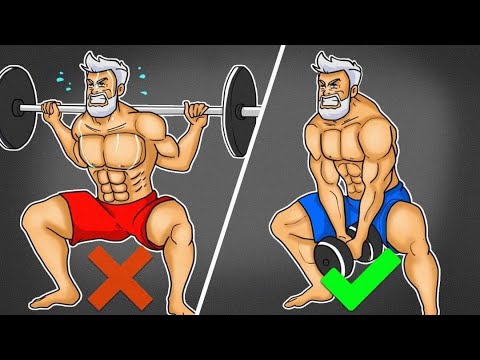
If Your Over 40 And Want To Get Ripped👀 Watch This
The video promotes a fitness program targeting men over 40 who want to achieve a ripped physique, directing viewers to a personal coaching service.
Korin Sutton




Related topics
Frequently Asked Questions
›What type of strength training is most effective for men over 40?
Compound, moderate‑load resistance exercises (6‑12 reps) performed 2‑4 times per week are evidence‑based for preserving muscle mass and joint health in men over 40.
›How often should I incorporate recovery days into my routine?
Aim for at least one full rest day and active recovery (light cardio, mobility work) each week; research shows this reduces injury risk and supports muscle repair for adults over 40.
›Can I still build noticeable muscle after age 40 without supplements?
Yes; studies confirm that consistent progressive resistance training combined with adequate protein (0.8‑1.0 g/kg body weight) and sleep can stimulate hypertrophy even in the 40‑55 age range.
›Which exercises should I avoid to protect my joints after 40?
High‑impact moves like deep knee extensions, heavy overhead presses, and excessive plyometrics can strain joints; opting for joint‑friendly alternatives such as goblet squats, push‑ups, and kettlebell swings is recommended.
›How does nutrition change for fitness goals after 40?
Focus on protein timing, fiber‑rich carbs, and omega‑3 fats while monitoring calorie intake; these adjustments help maintain muscle, support recovery, and manage age‑related metabolic shifts.
Advertisement
Follow Fitness Over 40
Only fitness over 40 news: an email when new claims on this topic are evidence-checked.
Free newsletter
Get the weekly digest
5 videos summarised · 3 claims checked · 1 practical takeaway
Unsubscribe any time. No spam.
Educational content only. This page summarizes publicly available video content for informational purposes. It is not medical advice. Always speak with a licensed healthcare professional before making any medical decisions.