Muscle Gain
Muscle gain involves targeted resistance training, nutrition, and recovery strategies that stimulate hypertrophy, helping men maintain strength, metabolic health, and functional independence as they age. Leveraging evidence‑based programming and dietary principles maximizes muscle growth while minimizing injury risk.
Key takeaways
- ✓Consistent progressive overload over months and years drives muscle growth.
- ✓Protein at 1.6–2.2g/kg/day is the non-negotiable nutritional foundation.
- ✓Creatine monohydrate (3–5g/day) is the most evidence-backed supplement.
- ✓Sleep and recovery are as important as training stimulus.
- ✓Results require 8–12 weeks minimum before visible changes are reliable.
Where to start building muscle
- 1Pick a structured programme (e.g. Starting Strength, GZCLP) rather than random workouts.
- 2Hit 10–20 weekly sets per muscle group, focusing on compound movements.
- 3Eat 1.6–2.2g of protein per kg of bodyweight per day.
- 4Prioritise sleep: muscle is built during recovery, not during training.
- 5Track your lifts — progressive overload is the fundamental driver of hypertrophy.
Evidence overview
How claims about muscle gain across all reviewed videos stack up against the evidence.
- Claims assessed
- 82
- Strongly supported
- 53
- Mixed evidence
- 22
- Weak evidence
- 2
- Unsupported
- 2
Advertisement
Top claims in this topic
- “Using heavy weights (>80% 1RM) increases testosterone levels more than using light weights during a 60‑day training program.”Claim extracted — not yet reviewedSee evidence →
- “Hormones such as testosterone and growth hormone increase after resistance training and help promote hypertrophy.”Claim extracted — not yet reviewedSee evidence →
- “Testosterone and other anabolic hormones rise acutely after resistance training, contributing to muscle growth.”Claim extracted — not yet reviewedSee evidence →
Common myths about muscle gain
Myth: “Cardio kills gains.”
Reality: Moderate cardio (2–3 low-intensity sessions/week) does not meaningfully impair hypertrophy when protein and recovery are adequate.
Myth: “You need expensive supplements to build muscle.”
Reality: Food-based protein and creatine monohydrate cover the evidence-backed basics. Most other supplements offer negligible benefit.
Featured this week

LIGHT vs HEAVY Weight: 60 Day Experiment 🤯
Jeremy Ethier compares the effects of light versus heavy resistance training over a 60‑day period, questioning which approach yields greater muscle growth.
Jeremy Ethier


Get the weekly Muscle Gain digest
5 trending videos summarised · 3 claims checked · 1 practical takeaway — every week. No miracle-cure nonsense.
All videos


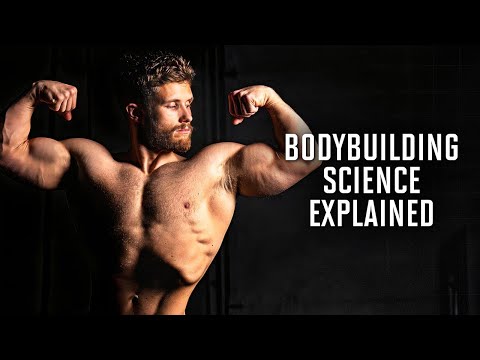


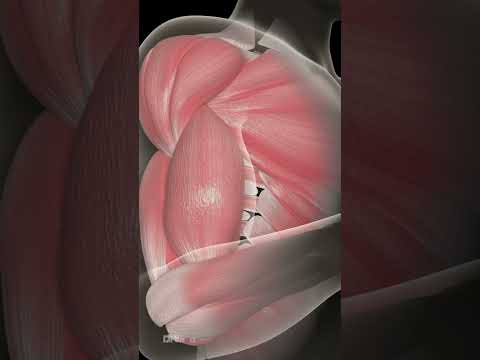


How To Build Muscle Almost 2x Faster (NEW RESEARCH)
Jeremy Ethier discusses recent research suggesting strategies that could potentially accelerate natural muscle growth, claiming gains up to twice as fast, while emphasizing training and nutrition tweaks.
Jeremy Ethier


Related topics
Frequently Asked Questions
›What rep range is most effective for building muscle?
Research shows a moderate range of 6–12 reps per set can promote hypertrophy, but studies also support similar gains with higher (12–20) or lower (3–5) reps when volume is matched, so total work matters most.
›How important is protein intake for muscle growth?
Consuming 1.6–2.2 g of protein per kilogram of body weight daily, spread across 3–5 meals, optimally supports muscle protein synthesis, as demonstrated in multiple meta‑analyses of resistance‑trained adults.
›Can heavy lifting alone maximize muscle gain?
While heavy loads (≥70% 1RM) effectively increase strength, muscle hypertrophy also occurs with moderate loads and higher volumes; combining load variations yields the most balanced growth, according to recent systematic reviews.
›How does recovery influence muscle hypertrophy?
Adequate sleep (7–9 hours) and 48–72 hours of rest between training the same muscle group are critical for protein synthesis and hormonal balance, with evidence linking insufficient recovery to blunted hypertrophic responses.
Advertisement
Follow Muscle Gain
Only muscle gain news: an email when new claims on this topic are evidence-checked.
Free newsletter
Get the weekly digest
5 videos summarised · 3 claims checked · 1 practical takeaway
Unsubscribe any time. No spam.
Educational content only. This page summarizes publicly available video content for informational purposes. It is not medical advice. Always speak with a licensed healthcare professional before making any medical decisions.