Posture and Spine Care
Posture and spine care involve simple daily habits that can reduce back pain, improve mobility, and boost overall performance. By integrating brief stretches and alignment drills, men can protect their spine and feel more confident in everyday activities.
Evidence overview
How claims about posture and spine care across all reviewed videos stack up against the evidence.
- Claims assessed
- 52
- Strongly supported
- 21
- Mixed evidence
- 25
- Weak evidence
- 5
- Unsupported
- 1
Top claims in this topic
- “Drinking a protein shake after a posture workout will speed up recovery and improve results.”Claim checked — mixed / earlySee evidence →
- “You can fix bad posture in 5 minutes with this routine.”Claim checked — mixed / earlySee evidence →
- “A simple, one‑minute daily routine can correct a hunchback posture.”Claim checked — mixed / earlySee evidence →
Featured this week


4 Simple and Effective Home Exercises to Fix Rounded Shoulders, Improve Posture & Boost Elegance
The video presents four home exercises aimed at correcting rounded shoulders, improving posture, and enhancing back aesthetics, though the claimed benefits should be viewed as general fitness guidance rather than guaranteed fixes.
Exercise Universe
Get the weekly Posture and Spine Care digest
5 trending videos summarised · 3 claims checked · 1 practical takeaway — every week. No miracle-cure nonsense.
All videos
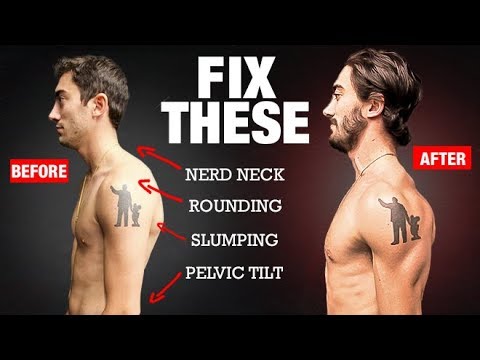

15 Min Better Posture Workout: Fix Posture Correction Exercises Prevent Hunchback Shoulders Kyphosis
The video offers a 15‑minute guided workout aimed at improving posture by targeting shoulder alignment and spinal curvature through a series of exercises.
HASfit
Frequently Asked Questions
›How long does it take to see improvements in posture with daily exercises?
Most people notice better alignment and less discomfort within 2–4 weeks of consistent daily practice, according to physiotherapy guidelines.
›What are the most effective 1‑minute posture drills for office workers?
A quick routine includes shoulder blade squeezes, chin tucks, and seated thoracic extensions; these moves target rounded shoulders and forward head posture and are supported by ergonomic research.
›Can a 5‑minute daily routine actually prevent chronic back pain?
Regular low‑impact movements that mobilize the thoracic spine and strengthen the upper back can reduce the risk of chronic pain, as demonstrated in studies on workplace exercise interventions.
›Do I need special equipment for home posture exercises?
No—most effective posture drills use body weight and a stable chair or wall, making them accessible without any costly equipment.
›Is it safe to do posture exercises if I have existing back issues?
Gentle, pain‑free movements are generally safe, but individuals with diagnosed spine conditions should consult a health professional before starting any new routine.
Follow Posture and Spine Care
Only posture and spine care news: an email when new claims on this topic are evidence-checked.
Free newsletter
Get the weekly digest
5 videos summarised · 3 claims checked · 1 practical takeaway
Unsubscribe any time. No spam.
Educational content only. This page summarizes publicly available video content for informational purposes. It is not medical advice. Always speak with a licensed healthcare professional before making any medical decisions.