Prostate Health
Prostate health covers the prevention, detection, and management of common conditions such as benign prostatic hyperplasia (BPH) and prostate cancer. Maintaining a healthy prostate is crucial for urinary function, sexual wellbeing, and overall quality of life, especially for men in their 30s to 50s.
Key takeaways
- ✓Prostate cancer risk rises significantly with age — know when to start screening conversations with a doctor.
- ✓BPH and prostate cancer are different conditions and should not be conflated.
- ✓PSA screening has real trade-offs (overdiagnosis risk) worth discussing individually with a physician.
- ✓Urinary symptoms are common and usually benign, but still warrant a medical evaluation.
- ✓This is a screening and diagnosis topic — decisions belong with a urologist, not self-assessment.
Where to start with prostate health
- 1Know your risk factors: age (risk rises sharply after 50), family history, and race are the biggest drivers of prostate cancer risk.
- 2Discuss PSA screening with a doctor starting around age 50 (45 if you have elevated risk factors) — guidelines vary and the benefits and harms should be discussed individually.
- 3Learn to distinguish BPH (benign enlargement, common with age, causes urinary symptoms) from prostate cancer — they are different conditions.
- 4Don't self-diagnose from symptoms alone — urinary symptoms are common and usually not cancer, but should still be evaluated.
- 5Maintain general cardiovascular and metabolic health — obesity and poor metabolic health are associated with worse prostate outcomes.
Evidence overview
How claims about prostate health across all reviewed videos stack up against the evidence.
- Claims assessed
- 66
- Strongly supported
- 14
- Mixed evidence
- 7
- Weak evidence
- 4
- Unsupported
- 1
Advertisement
Top claims in this topic
- “Testosterone therapy does not cause prostate growth.”Claim extracted — not yet reviewedSee evidence →
- “Dietary factors and specific foods are associated with enlarged prostate (BPH) symptoms and potential prostate cancer risks.”Claim extracted — not yet reviewedSee evidence →
- “High levels of PSA in the blood can be caused by non-cancerous conditions as well as prostate cancer.”Claim extracted — not yet reviewedSee evidence →
Common myths about prostate health
Myth: “An enlarged prostate (BPH) means you have or will get prostate cancer.”
Reality: BPH and prostate cancer are distinct conditions with different mechanisms; having one does not mean you have the other.
Myth: “No symptoms means no problem.”
Reality: Early-stage prostate cancer is frequently asymptomatic, which is the entire rationale for age-appropriate screening conversations with a doctor.
Featured this week
Many Men Chose The Wrong Prostate Cancer Treatment: Here’s Why
This video from The Prostate Clinic discusses common pitfalls in prostate cancer management and why patients may select suboptimal treatment paths. It emphasizes the importance of understanding available options upon diagnosis.
The Prostate Clinic

60% of prostate cancer patients are opting out of treatment & living just as long, study finds
A 2-minute video reports on a study suggesting that 60% of prostate cancer patients are choosing active surveillance over treatment and may have similar survival outcomes, though the presentation may oversimplify complex clinical decisions.
News4JAX The Local Station

Benign Prostatic Hyperplasia (BPH) vs Prostate Cancer : Key Evaluation Steps Explained
This video from Medical Centric Podcast provides a brief overview of the differences between Benign Prostatic Hyperplasia (BPH) and prostate cancer, outlining key evaluation steps. It serves as an introductory educational resource for understanding common prostate conditions.
Medical Centric Podcast
Get the weekly Prostate Health digest
5 trending videos summarised · 3 claims checked · 1 practical takeaway — every week. No miracle-cure nonsense.
All videos

Testosterone, DHT, and Prostate Cancer | Peter Attia & Ted Schaeffer
Dr. Peter Attia and urologist Dr. Ted Schaeffer discuss the nuanced relationship between testosterone, dihydrotestosterone (DHT), and prostate cancer. They examine historical dogmas regarding androgens and explore how modern urology evaluates these hormone levels in the context of prostate health.
Peter Attia MD

Best Ways to Prevent Prostate Enlargement, Explained by a Urologist
The video outlines lifestyle and dietary strategies purported to reduce the risk of prostate enlargement, presented by a self‑identified urologist, and includes a promotional pitch for a paid course.
Rena Malik, M.D.

BPH vs. Prostate Cancer
The video explains the differences between benign prostatic hyperplasia (BPH) and prostate cancer, focusing on symptoms, diagnosis, and treatment options.
UCI Prostate Cancer Center

BPH vs. Prostate Cancer
This video features Dr. Das from UCI Urology explaining the clinical differences between Benign Prostatic Hyperplasia (BPH) and prostate cancer. It serves as an educational overview for men seeking to understand common prostate conditions.
UCI Urology

What is PROSTATE CANCER? Doctor explains SIGNS, SYMPTOMS, TREATMENT and more!
Dr. O'Donovan provides a concise overview of prostate cancer, outlining its basic definition, potential warning signs, and treatment approaches in a five-minute video.
Doctor O'Donovan

8 Signs YOU Have an Enlarged Prostate (BPH Symptoms)| Doctor Explains
The video outlines common symptoms associated with benign prostatic hyperplasia (BPH) and advises viewers to consult a healthcare professional for evaluation.
Doctor Khalid

11 signs and symptoms of an enlarged prostate!
This brief video lists eleven common signs and symptoms associated with an enlarged prostate, aiming to raise awareness about lower urinary tract issues in aging men.
Think Your Health

Does High PSA Levels = Prostate Cancer? | Dr Steven Tucker
This video examines the relationship between prostate-specific antigen (PSA) levels and prostate cancer, clarifying that elevated readings do not automatically indicate malignancy. It explores various non-cancerous conditions that can also cause PSA elevation.
Tucker Medical

Testosterone In Urology: Does It Make the Prostate Grow?
The video examines whether testosterone therapy (TTh) causes prostate growth, arguing that the fear is largely unfounded and that modern evidence does not support a direct causal link.
Kenneth (Kent) DeLay, MD

BPH & TURP - Medical Surgical | @LevelUpRN
This educational video by Level Up RN provides a medical-surgical overview of Benign Prostatic Hyperplasia (BPH), covering its pathophysiology, clinical symptoms, diagnostic approaches, and surgical management including TURP.
Level Up RN

Enlarged Prostate (BPH) Vs. Prostate Cancer | Mark Scholz, MD | PCRI
The video discusses the differences between Benign Prostatic Hyperplasia (BPH) and prostate cancer, featuring Dr. Mark Scholz from the Prostate Cancer Research Institute. It aims to educate men about these common prostate-related conditions.
Prostate Cancer Research Institute

What PSA is normal for a man without prostate cancer? | UroChannel
The video explains what PSA levels are considered typical for men without prostate cancer and outlines factors that can influence PSA readings.
UroChannel

What is Benign Prostatic Hyperplasia? | Overview for Med Students | Urology
The video provides a concise overview of benign prostatic hyperplasia (BPH), covering its underlying mechanisms, typical symptoms, diagnostic approaches, and standard treatment options for medical students.
Dr. Paulien Moyaert

Why do men get prostate cancer?
This brief video from University College London Hospitals NHS Foundation Trust outlines the prevalence of prostate cancer as the most common cancer in men in the UK. It highlights basic epidemiological facts regarding annual diagnoses.
University College London Hospitals NHS Foundation Trust
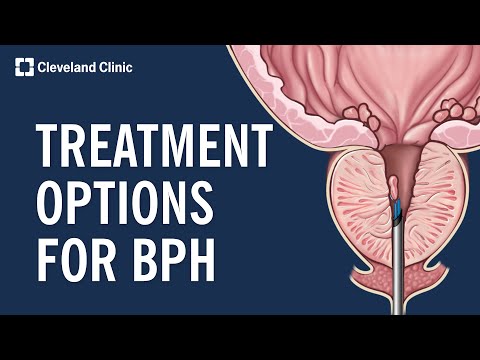
Treating Benign Prostatic Hyperplasia (BPH)
The video provides a brief overview of common treatment options for benign prostatic hyperplasia (BPH), including lifestyle changes, medication classes, and surgical interventions.
Cleveland Clinic
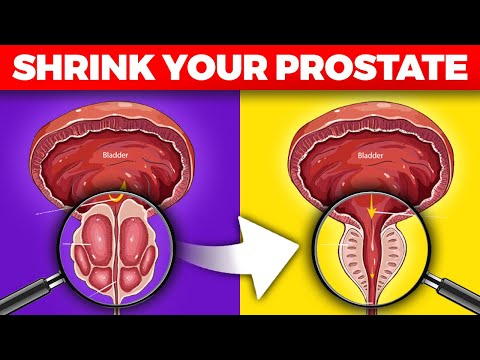
How to Shrink Your Prostate Naturally: The #1 Nutrient You Need
Dr. Eric Berg discusses natural approaches to managing prostate enlargement, focusing on a specific nutrient claimed to support prostate health. The video promotes dietary adjustments alongside the creator's commercial supplement line.
Dr. Eric Berg DC

What Causes An Enlarged Prostate? | BPH Explained
The video provides a brief overview of benign prostatic hyperplasia (BPH), explaining common causes of prostate enlargement and typical symptomatology.
Cleveland Clinic

Foods to Avoid with Enlarged Prostate | Reduce Symptoms and Risk of Prostate Cancer
This video by JJ Medicine explores dietary factors and specific foods associated with enlarged prostate (BPH) symptoms and potential prostate cancer risks. It provides an overview of how nutritional choices may impact urinary symptoms and prostate health.
JJ Medicine
Related topics
Frequently Asked Questions
›What age should I start getting screened for prostate cancer?
Most guidelines suggest discussing screening with a doctor around age 45 for average‑risk men and earlier (40‑45) for those with family history or other risk factors, using PSA testing and possibly a digital rectal exam.
›Does an enlarged prostate (BPH) increase my risk of prostate cancer?
Enlargement from BPH is common and does not directly cause cancer; however, both conditions can coexist, so regular check‑ups are important to monitor PSA levels and symptoms.
›Can lifestyle changes really shrink an enlarged prostate?
Evidence shows that weight loss, regular exercise, reduced alcohol, and diets rich in fruits, vegetables, and healthy fats may modestly improve BPH symptoms, but medical evaluation remains essential.
›What does a high PSA level mean?
A high PSA can result from prostate cancer, BPH, inflammation, or infection; further testing such as repeat PSA, imaging, or biopsy is needed to determine the cause.
›Are there specific nutrients that support prostate health?
Studies suggest that nutrients like omega‑3 fatty acids, vitamin D, and zinc may benefit prostate health, but no single supplement can replace a balanced diet and regular medical monitoring.
Advertisement
Follow Prostate Health
Only prostate health news: an email when new claims on this topic are evidence-checked.
Free newsletter
Get the weekly digest
5 videos summarised · 3 claims checked · 1 practical takeaway
Unsubscribe any time. No spam.
Educational content only. This page summarizes publicly available video content for informational purposes. It is not medical advice. Always speak with a licensed healthcare professional before making any medical decisions.