Sleep
Sleep is a cornerstone of men’s health, influencing hormone balance, metabolism, and overall vitality. Optimizing sleep quality and aligning with your natural circadian rhythm can boost energy, recovery, and long‑term wellbeing.
Key takeaways
- ✓Consistency (same sleep/wake time) is more powerful than duration alone.
- ✓Alcohol significantly degrades sleep quality even at low doses.
- ✓Temperature is one of the most underrated sleep levers.
- ✓Fix sleep before adding any supplement protocol.
- ✓Chronic short sleep raises cortisol and reduces testosterone.
Where to start with sleep optimisation
- 1Set a consistent sleep and wake time, even on weekends.
- 2Keep your bedroom cool (16–19°C) and dark.
- 3Avoid screens for 30–60 minutes before bed or use blue-light blocking.
- 4Limit caffeine after 2pm — its half-life is 5–7 hours.
- 5Track your sleep for one week with a wearable or sleep diary before adding supplements.
Evidence overview
How claims about sleep across all reviewed videos stack up against the evidence.
- Claims assessed
- 118
- Strongly supported
- 39
- Mixed evidence
- 26
- Weak evidence
- 4
- Unsupported
- 2
Advertisement
Top claims in this topic
- “A regular bedtime routine (e.g., reading, stretching) signals the body to release GABA, promoting faster sleep onset.”Claim extracted — not yet reviewedSee evidence →
- “Optimizing sleep will boost testosterone levels.”Claim checked — mixed / earlySee evidence →
- “Quality sleep helps improve brain function.”Claim extracted — not yet reviewedSee evidence →
Common myths about sleep
Myth: “I can catch up on sleep at the weekend.”
Reality: Chronic sleep debt cannot be fully repaid in a weekend. Cognitive impairment accumulates over time with insufficient sleep.
Myth: “You need less sleep as you get older.”
Reality: Sleep architecture changes with age, but the need for 7–9 hours remains. Older adults often sleep lighter and wake more.
Featured this week

💪Last Part (5) On The Series."The Testosterone Sleep Routine." 💯
The video claims that a specific sleep routine can significantly boost testosterone levels, suggesting the bedroom environment may hold the key to hormonal optimization.
Optimize Men's Health


The Sleep Protocol That Reverses Biological Age In Men Over 60 (Doctors Call It Remarkable)
This video promotes a lifestyle protocol marketed toward older men with claims of reversing biological age through sleep. However, the metadata points toward commercial monetization rather than peer-reviewed medical science.
StyleConnection
Get the weekly Sleep digest
5 trending videos summarised · 3 claims checked · 1 practical takeaway — every week. No miracle-cure nonsense.
All videos


How to OPTIMIZE Your Sleep! #sleep #sleeping #health #shorts
The clip offers brief tips on improving sleep quality, referencing lifestyle and mindset adjustments.
Longevity Hacks


What to avoid before bedtime to optimize your sleep - with Dr. Andrew Huberman
The video outlines simple habits to avoid before bedtime in order to improve sleep quality, featuring insights from Dr. Andrew Huberman.
Genius Health


Magnesium supplement for better sleep?
The short video suggests magnesium supplementation may improve sleep quality.
Rena Malik, M.D.



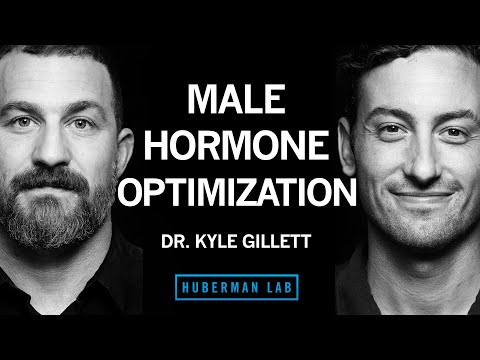
Tools for Hormone Optimization in Males | Dr. Kyle Gillett
Dr. Kyle Gillett discusses various evidence‑based strategies for supporting male hormone health, covering lifestyle factors, nutrition, exercise, sleep, stress management, and when to consider clinical evaluation.
Andrew Huberman


Related topics
Frequently Asked Questions
›How does poor sleep affect testosterone levels in men?
Research shows that getting less than 6 hours of sleep per night can lower daytime testosterone by up to 15%, likely due to disrupted REM cycles that regulate hormone production.
›What practical steps can I take to improve my circadian rhythm?
Maintain a consistent bedtime and wake‑time, limit blue‑light exposure after sunset, and get morning sunlight for at least 30 minutes; these habits help synchronize the body's internal clock.
›Are there specific foods that enhance sleep quality?
Foods rich in tryptophan (e.g., turkey, nuts), magnesium (leafy greens, pumpkin seeds), and melatonin (cherries, kiwi) have been linked to faster sleep onset and deeper REM sleep in several nutrition studies.
›Can a bedtime routine really boost sleep depth and recovery?
A calming pre‑sleep routine—such as dim lighting, gentle stretching, and avoiding caffeine 4‑6 hours before bed—has been shown to increase sleep efficiency and promote more restorative slow‑wave sleep.
Advertisement
Follow Sleep
Only sleep news: an email when new claims on this topic are evidence-checked.
Free newsletter
Get the weekly digest
5 videos summarised · 3 claims checked · 1 practical takeaway
Unsubscribe any time. No spam.
Educational content only. This page summarizes publicly available video content for informational purposes. It is not medical advice. Always speak with a licensed healthcare professional before making any medical decisions.