Supplements
Supplements like creatine, vitamin D, and magnesium are popular among men looking to boost performance, recovery, and overall health, but their real-world effectiveness varies widely. This evidence‑based overview cuts through the hype to highlight which nutrients have solid scientific backing and why they matter for men aged 30‑55.
Key takeaways
- ✓Only a small handful of supplements (creatine, vitamin D if deficient, protein powder) have strong, consistent evidence for most men.
- ✓Most 'testosterone booster' and proprietary blend products lack robust human evidence.
- ✓Third-party testing matters more in supplements than in almost any other product category, given weak regulation.
- ✓Blood work should guide supplementation for deficiencies, not assumption.
- ✓Always check for medication interactions with a doctor or pharmacist before starting a new supplement.
Where to start with supplements
- 1Fix diet, sleep, and training first — supplements have a small effect relative to these fundamentals and can't compensate for getting them wrong.
- 2Learn which few supplements have strong evidence for most men: creatine monohydrate, vitamin D (if deficient), and protein powder top the list.
- 3Check for third-party testing (e.g. NSF Certified for Sport, Informed Sport) — supplement manufacturing is far less regulated than medication.
- 4Get blood work before supplementing for a specific deficiency (vitamin D, iron, B12) rather than guessing.
- 5Talk to a doctor or pharmacist before combining supplements with prescription medication — interactions are more common than most people expect.
Evidence overview
How claims about supplements across all reviewed videos stack up against the evidence.
- Claims assessed
- 18
- Strongly supported
- 1
- Mixed evidence
- 0
- Weak evidence
- 0
- Unsupported
- 0
Advertisement
Top claims in this topic
- “Top 4 supplements every man NEEDS”Claim extracted — not yet reviewedSee evidence →
- “None specifically mentioned in the video content”Claim extracted — not yet reviewedSee evidence →
- “Certain supplements can shrink the prostate”Claim extracted — not yet reviewedSee evidence →
Common myths about supplements
Myth: “Natural supplements are automatically safe because they're not synthetic drugs.”
Reality: 'Natural' does not mean risk-free — some supplements interact with medications or carry their own side effects, and dosing is far less standardised than pharmaceuticals.
Myth: “If a supplement is legal and sold widely, its claims must be backed by evidence.”
Reality: Supplement regulation in most countries doesn't require proof of efficacy before sale — legality and evidence are not the same thing.
Featured this week

Top 5 Best Evidence-Based Supplements: Plus What The Docs Take
The video discusses the top 5 evidence-based supplements and shares what doctors personally take, aiming to provide a credible perspective amidst a crowded market. It approaches the topic with a focus on evidence-based information.
Talking With Docs

Doctor Reveals the ONLY 6 Supplements Worth Your Money!
A self‑described holistic plastic surgeon lists six dietary supplements he believes are the only ones worth taking.
Doctor Youn

5 Supplements with STRONG Evidence of Benefit
The video discusses five supplements that allegedly have strong evidence of health benefits, as presented by Dr. Brad Stanfield. The channel offers weekly health research summaries and additional insights for subscribers.
Dr Brad Stanfield
Get the weekly Supplements digest
5 trending videos summarised · 3 claims checked · 1 practical takeaway — every week. No miracle-cure nonsense.
All videos

The Supplement Stack Everyone Should Be Taking - Dr Layne Norton
Dr. Layne Norton joins Chris Williamson to discuss a foundational supplement stack for general health, performance, and longevity. The conversation evaluates popular dietary supplements to help consumers distinguish evidence-backed products from marketing hype.
Chris Williamson
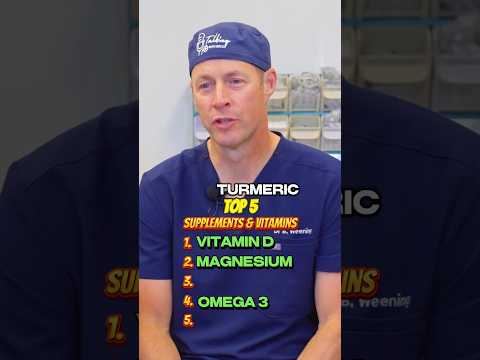
The Best Supplements?
This 1-minute video from the Talking With Docs channel discusses supplement options, but the description is incomplete, making it unclear what specific supplements are being recommended. The video's brief duration also raises questions about the depth of information provided.
Talking With Docs

Don’t Take Your Multivitamin With Just Water! Dr. Mandell
The video from Dr. Mandell on the motivationaldoc channel advises against taking multivitamins with just water. The video's content is not directly available due to its 0-minute duration.
motivationaldoc
Supplements and Safety (full documentary) | Hidden Dangers of Vitamins & Supplements | FRONTLINE
The documentary examines the potential hidden dangers of vitamins and supplements, exploring their safety and effectiveness. It is a collaborative effort between FRONTLINE, The New York Times, and the Canadian Broadcasting Corporation.
FRONTLINE PBS | Official

The Truth About Probiotic Supplements
The video discusses the uses and limitations of probiotic supplements, cautioning against exaggerated claims. Doctor Mike aims to provide a balanced view on the effectiveness of probiotics.
Doctor Mike

Here’s My Top 3 Vitamins To Take On A Fat Loss Diet
In this short video, fitness creator Cory Armstrong outlines his top three recommended vitamins to take while following a fat loss diet.
Cory Armstrong Fitness

Can Supplements Actually Shrink Your Prostate? Urologist Reveals All
Rena Malik, M.D., a urologist, discusses the potential relationship between supplements and prostate health in a 22-minute video. The video aims to provide insights into the effectiveness of supplements in shrinking the prostate.
Rena Malik, M.D.
Developing a Rational Approach to Supplementation for Health & Performance | Huberman Lab Podcast
Neuroscientist Andrew Huberman discusses evidence-based approaches to designing supplementation protocols for health and performance, reviewing various compounds and their physiological mechanisms.
Andrew Huberman

The Top 9 Supplements For Men
This video metadata outlines a curated list of nine popular supplements aimed at men's health and wellness. However, without accompanying clinical context or ingredient specifics, such general supplement roundups require careful scrutiny.
Nutrition Library

DO COLLAGEN SUPPLEMENTS ACTUALLY WORK?🧐
This short video features a medical doctor discussing the real-world efficacy of collagen supplements for skin health and aging. It questions whether oral supplementation truly delivers the cosmetic benefits often marketed to consumers.
Konstantin Vasyukevich, MD

Related topics
Frequently Asked Questions
›What does the research say about creatine for muscle growth in men over 30?
Multiple randomized trials show creatine monohydrate consistently enhances strength and lean mass gains when combined with resistance training, with benefits observed in men up to 60 years old.
›Is vitamin D supplementation necessary for men who get limited sun exposure?
Yes, meta‑analyses indicate that men with serum 25‑OH‑vitamin D below 30 ng/mL benefit from supplementation to support bone health and immune function, especially in higher latitudes.
›Can magnesium improve sleep quality and muscle recovery?
Evidence suggests magnesium glycinate or citrate can modestly improve sleep efficiency and reduce muscle cramps, particularly in individuals with low dietary intake.
›Are probiotic supplements effective for gut health in healthy men?
Systematic reviews find strain‑specific probiotics can aid digestive comfort and support immune balance, but benefits are modest and depend on the chosen strains.
›Which supplements have the strongest evidence for supporting longevity?
Creatine, vitamin D, and omega‑3 fatty acids consistently rank highest in longevity studies, showing links to reduced inflammation and improved cellular health, while many other “bio‑hacks” lack robust data.
Advertisement
Follow Supplements
Only supplements news: an email when new claims on this topic are evidence-checked.
Free newsletter
Get the weekly digest
5 videos summarised · 3 claims checked · 1 practical takeaway
Unsubscribe any time. No spam.
Educational content only. This page summarizes publicly available video content for informational purposes. It is not medical advice. Always speak with a licensed healthcare professional before making any medical decisions.