Weight Loss
Weight loss for men 30‑55 hinges on mastering calorie balance and sustainable nutrition, not quick fixes or spot‑reduction myths. Evidence shows that a modest, consistent calorie deficit paired with whole‑food choices leads to lasting fat loss and better health.
Key takeaways
- ✓Sustainable fat loss comes from a moderate, consistent calorie deficit — not extreme restriction.
- ✓Protein and resistance training protect muscle mass while losing fat.
- ✓Weekly trend, not daily fluctuation, is the meaningful signal to track.
- ✓No single food or supplement meaningfully overrides the calorie balance.
- ✓Rapid weight-loss claims in videos are frequently overstated or unsustainable.
Where to start with fat loss
- 1Establish a baseline: track your weight (weekly average, not daily) and rough calorie intake for 1–2 weeks.
- 2Create a moderate calorie deficit (300–500 kcal/day) rather than an aggressive one — it's more sustainable and preserves muscle.
- 3Keep protein high (1.6–2.2g/kg bodyweight) to protect lean mass while in a deficit.
- 4Add resistance training so weight lost is primarily fat, not muscle.
- 5Reassess every 2–3 weeks using the weekly trend, not single readings, to see if the plan is working.
Evidence overview
How claims about weight loss across all reviewed videos stack up against the evidence.
- Claims assessed
- 60
- Strongly supported
- 27
- Mixed evidence
- 16
- Weak evidence
- 8
- Unsupported
- 7
Advertisement
Top claims in this topic
- “Intermittent fasting can influence testosterone levels and hormonal balance.”Claim extracted — not yet reviewedSee evidence →
- “There is a connection between testosterone levels and weight loss.”Claim extracted — not yet reviewedSee evidence →
- “Performing cardio immediately after resistance training can blunt anabolic signaling and reduce muscle growth.”Claim checked — mixed / earlySee evidence →
Common myths about weight loss
Myth: “Carbs at night make you fat.”
Reality: Total daily calorie balance determines fat gain or loss; meal timing has minimal independent effect once total intake is controlled for.
Myth: “You can out-train a bad diet.”
Reality: Exercise burns fewer calories than most people estimate; diet has a far larger effect on the calorie balance driving weight change.
Featured this week


Get the weekly Weight Loss digest
5 trending videos summarised · 3 claims checked · 1 practical takeaway — every week. No miracle-cure nonsense.
All videos


5 Reasons WALKING is the King of Fat Loss (Changed My Life)
Thomas DeLauer outlines five reasons why he believes walking is an effective method for fat loss, emphasizing its accessibility and low injury risk.
Thomas DeLauer


Biggest Fat Loss Transformation Story: Junaid Jamadar I How I Lost 112 Kg? I Fat to Fit | OMH
Junaid Jamadar shares his personal journey of losing 112 kg after his father’s ultimatum, describing the challenges and strategies that helped him transition from a weight of 207 kg to a healthier size.
OnlyMyHealth



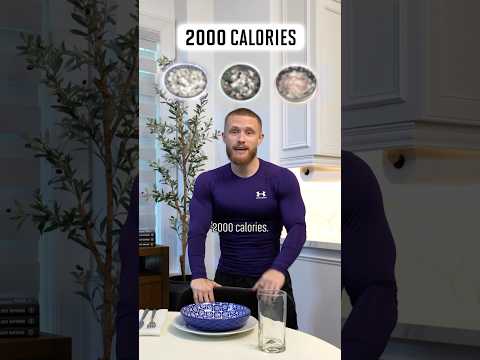
This Is Exactly How Many Calories You Wanna Eat For Fat Loss 🔥
The video claims to reveal an exact calorie target for fat loss, presenting a specific number as the optimal intake for weight reduction.
Kinobody


The Worst Cardio Mistakes Everyone Makes For Fat Loss (Avoid These)
Jeff Nippard outlines common cardio mistakes that can hinder fat loss and offers evidence‑based alternatives.
Jeff Nippard

![30 Days Weight & Fat Loss Challenge [Fat to Fit Workout For Men At Home ]](https://i.ytimg.com/vi/UVJSiuWBNYM/hqdefault.jpg)
30 Days Weight & Fat Loss Challenge [Fat to Fit Workout For Men At Home ]
The video promotes a 30‑day home workout program aimed at weight and fat loss without any equipment, promising rapid transformation from “fat to fit.”
The Gainz Center

Related topics
Frequently Asked Questions
›What is the most reliable way to create a calorie deficit for fat loss?
Track daily intake and aim for a 10‑20% reduction below maintenance calories, which research shows produces steady weight loss without compromising metabolism.
›Can I target belly fat specifically with certain foods or exercises?
No. Scientific studies confirm that spot‑reduction is impossible; overall body fat loss through a calorie deficit and regular exercise will eventually reduce abdominal fat.
›How many calories should I eat to lose 1‑2 pounds per week?
A deficit of 500‑1000 calories per day generally yields a loss of about 1‑2 pounds weekly, aligning with guidelines from the American College of Sports Medicine.
›Are low‑carb diets more effective than balanced diets for men over 30?
Both can work if they create a calorie deficit; meta‑analyses find no consistent superiority, so choose the approach you can sustain long‑term.
Advertisement
Follow Weight Loss
Only weight loss news: an email when new claims on this topic are evidence-checked.
Free newsletter
Get the weekly digest
5 videos summarised · 3 claims checked · 1 practical takeaway
Unsubscribe any time. No spam.
Educational content only. This page summarizes publicly available video content for informational purposes. It is not medical advice. Always speak with a licensed healthcare professional before making any medical decisions.