Nutrition
Nutrition for men focuses on balanced macros, meal timing, and food quality to support muscle maintenance, hormone health, and overall vitality. Understanding how dietary strategies impact performance and long‑term wellbeing helps men make informed choices without relying on gimmicky trends.
Key takeaways
- ✓Total calorie and protein intake drives 90% of nutrition outcomes.
- ✓Whole food patterns consistently outperform specific named diets.
- ✓Ultra-processed food is the biggest dietary risk factor in Western men.
- ✓Protein distribution (30–40g per meal) optimises the anabolic response.
- ✓Hydration, micronutrients, and fibre are under-prioritised relative to macros.
Where to start with nutrition
- 1Track your current intake for 3–7 days to establish a baseline.
- 2Set protein targets first: 1.6–2.2g/kg of bodyweight per day.
- 3Build meals around whole foods: lean protein, vegetables, legumes, whole grains.
- 4Reduce ultra-processed food rather than restricting specific macros.
- 5Adjust calories based on your body composition goals, not a generic formula.
Evidence overview
How claims about nutrition across all reviewed videos stack up against the evidence.
- Claims assessed
- 101
- Strongly supported
- 50
- Mixed evidence
- 33
- Weak evidence
- 8
- Unsupported
- 6
Advertisement
Top claims in this topic
- “Supplements, however, just make it a little convenient.”Claim extracted — not yet reviewedSee evidence →
- “Consuming 305 g of protein per day is safe for healthy adults.”Claim extracted — not yet reviewedSee evidence →
- “BigMuscles Nutrition Premium Gold Whey provides a high-quality protein source that helps you meet the 180 g daily protein target.”Claim extracted — not yet reviewedSee evidence →
Common myths about nutrition
Myth: “Carbohydrates are inherently fattening.”
Reality: Excess calories cause fat gain — carbohydrates are not uniquely problematic. Whole-food carbohydrate sources support training performance and metabolic health.
Myth: “You need to eat every 2–3 hours to maintain muscle.”
Reality: Total daily protein is what matters. Meal frequency has minimal impact on muscle protein synthesis as long as each meal contains adequate protein (30–40g).
Featured this week
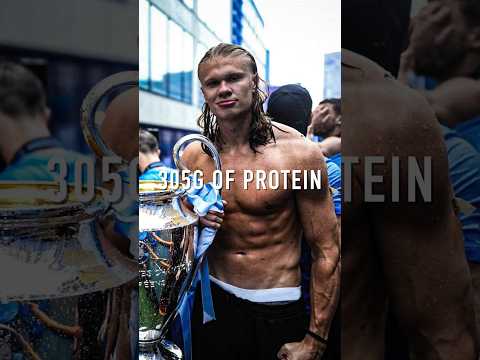
305g PROTEIN DIET
The video showcases a one‑minute glimpse of a 305‑gram protein diet, featuring eggs, bread, coffee, bananas, and raw ingredients, framed as a “Viking‑like” challenge.
Aseel Soueid
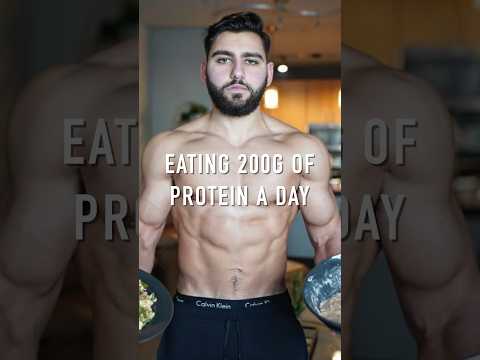

Get the weekly Nutrition digest
5 trending videos summarised · 3 claims checked · 1 practical takeaway — every week. No miracle-cure nonsense.
All videos



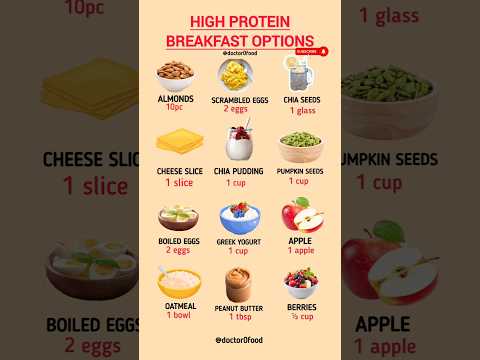


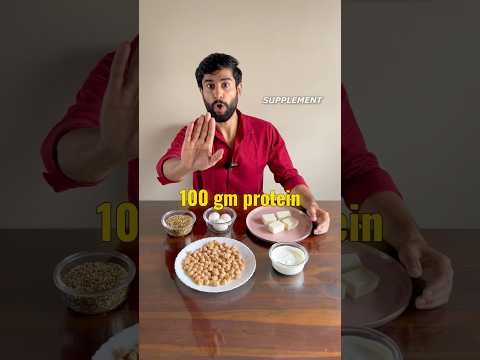

RONNIE COLEMAN FULL DAY OF EATING - I ATE 600g OF PROTEIN A DAY - RONNIE COLEMAN DIET MOTIVATION
The video showcases Ronnie Coleman’s typical daily intake, claiming he consumes around 600 g of protein in a 12‑minute clip.
Kong Motivation


Related topics
Frequently Asked Questions
›How many grams of protein should a 30‑55‑year‑old man aim for each day?
Most research suggests 1.2–2.0 g of protein per kilogram of body weight daily for active men, which translates to roughly 80–150 g for a 70 kg individual; higher intakes (up to 2.2 g/kg) may benefit those in intense strength training, as supported by the International Society of Sports Nutrition.
›Is eating protein in one large meal as effective as spreading it across the day?
Studies show distributing protein evenly (≈0.3–0.4 g/kg per meal) across 3–4 meals maximizes muscle protein synthesis compared with loading most protein in a single meal, especially for those aiming to preserve or build lean mass.
›Do vegetarian diets provide enough protein for muscle gain?
Yes; combining legumes, dairy, eggs, soy, nuts, and whole grains can meet or exceed protein needs. A well‑planned vegetarian plan typically offers 1.2–1.8 g/kg/day, comparable to omnivorous diets, according to meta‑analyses on plant‑based athletes.
›What is the optimal timing for meals around workouts?
Consuming a balanced meal with protein and carbs 2–3 hours pre‑exercise and a protein‑rich snack or meal within 1–2 hours post‑workout supports glycogen replenishment and muscle repair, as evidenced by ACSM guidelines.
›How important is food quality versus just hitting macro targets?
Food quality matters for micronutrient intake, gut health, and inflammation; whole foods like lean meats, fish, fruits, vegetables, nuts, and whole grains deliver essential vitamins, minerals, and fiber that processed, macro‑focused meals often lack, according to dietary guideline reviews.
Advertisement
Follow Nutrition
Only nutrition news: an email when new claims on this topic are evidence-checked.
Free newsletter
Get the weekly digest
5 videos summarised · 3 claims checked · 1 practical takeaway
Unsubscribe any time. No spam.
Educational content only. This page summarizes publicly available video content for informational purposes. It is not medical advice. Always speak with a licensed healthcare professional before making any medical decisions.